
Natural vs Synthetic Perfume: How to Choose Without the Hype
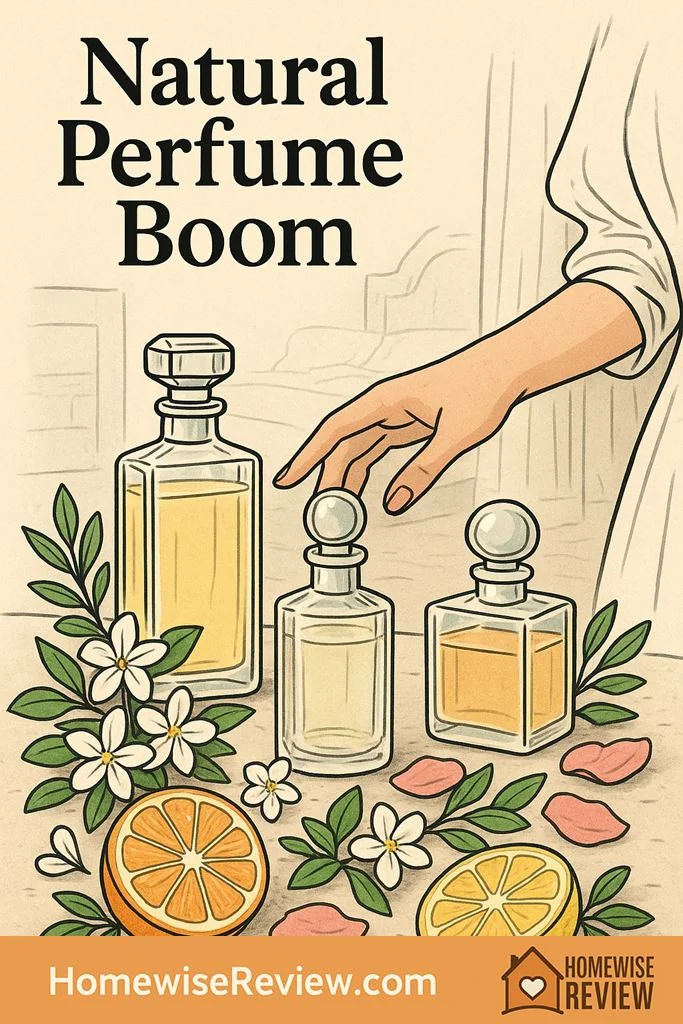
Natural perfume is not automatically safer, and synthetic perfume is not automatically harsher. Compare ingredients, allergens, wear, transparency, and your own response.
Natural perfume is not automatically safer, and synthetic perfume is not automatically harsher. Compare ingredients, allergens, wear, transparency, and your own response.
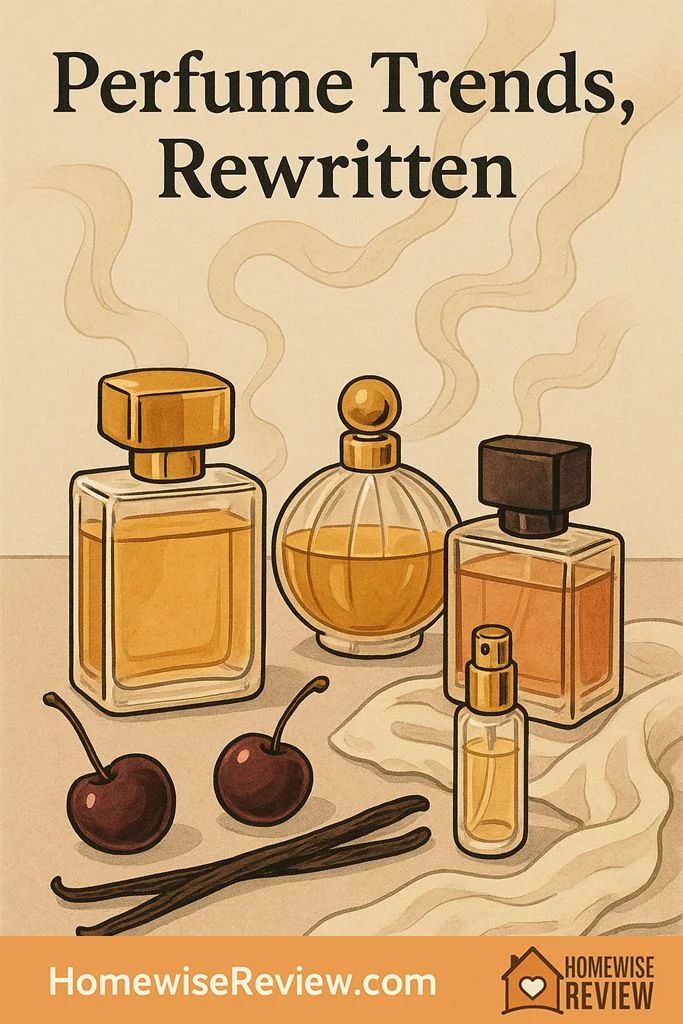
Use gourmand, skin scent, dark fruit, gender-neutral, and small-format options to build a fragrance wardrobe around real settings instead of trend labels.
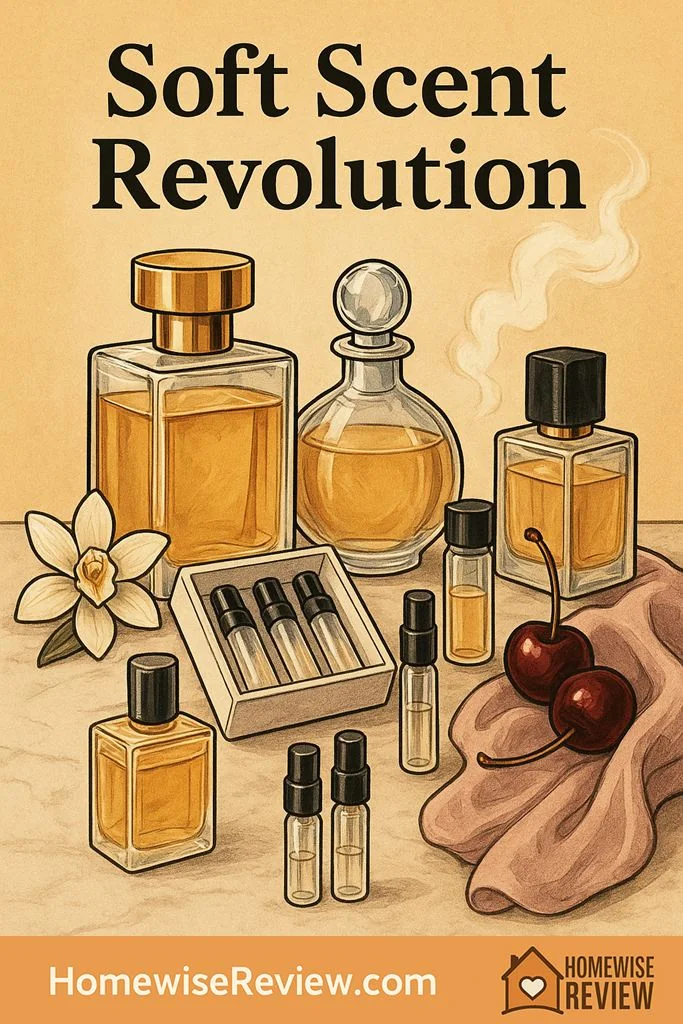
Sales, search data, and market forecasts point to fragrance’s next phase: softer, layerable, everyday scent wardrobes instead of one hero bottle.
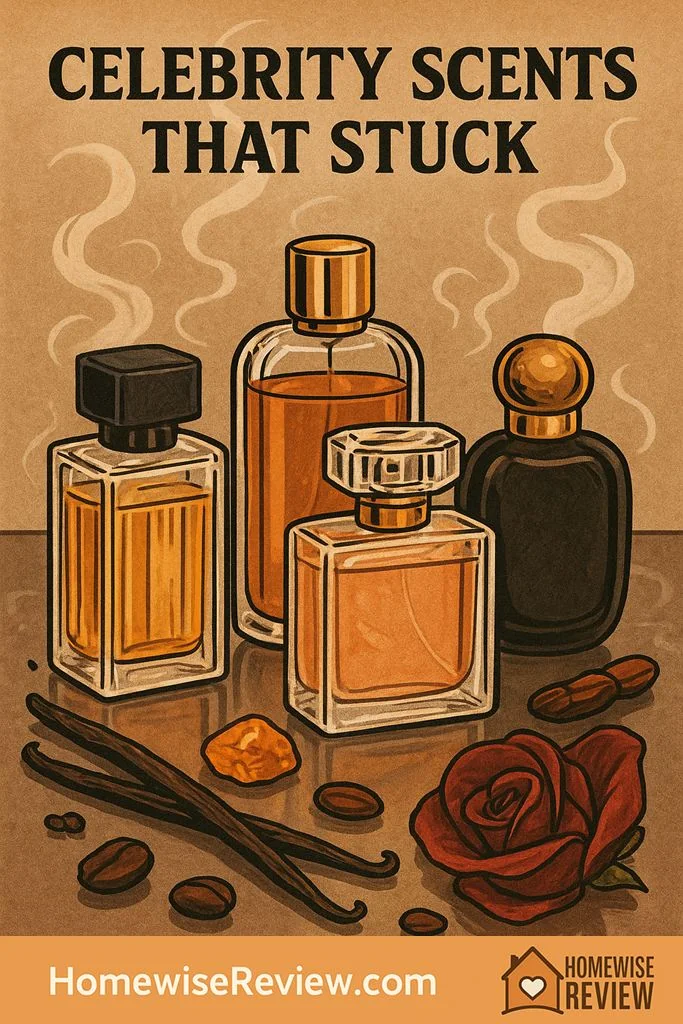
Compare four celebrity eau de parfums by verified note profile, sweetness, best-fit wearer, chief drawback, sampling risk, and current format options.
Use temperature, setting, and wear tests to choose a fragrance for any season without assuming citrus is only for summer or vanilla is only for winter.
Gender-neutral fragrance is less a single scent family than a different way to shop. Learn how gender labels influence perception and compare perfumes by notes, development, wear, and comfort instead.
A favorite fragrance can reflect memory, context, and the effect you want to create, but it cannot diagnose personality. Use this evidence-based journal method to understand your scent preferences without note stereotypes.
Successful fragrance layering starts with two scents, a clear goal, and a skin test through the drydown. Use this method to choose an anchor, control strength, troubleshoot clashes, and avoid unnecessary irritation.
Custom fragrance can mean a quiz, a layering system, a modified base, or a formula built from scratch. Compare the process, sample, ownership, safety, and reorder terms before paying more.