
Body Peels and KP Lotions to Check if Acids Sting After Shaving
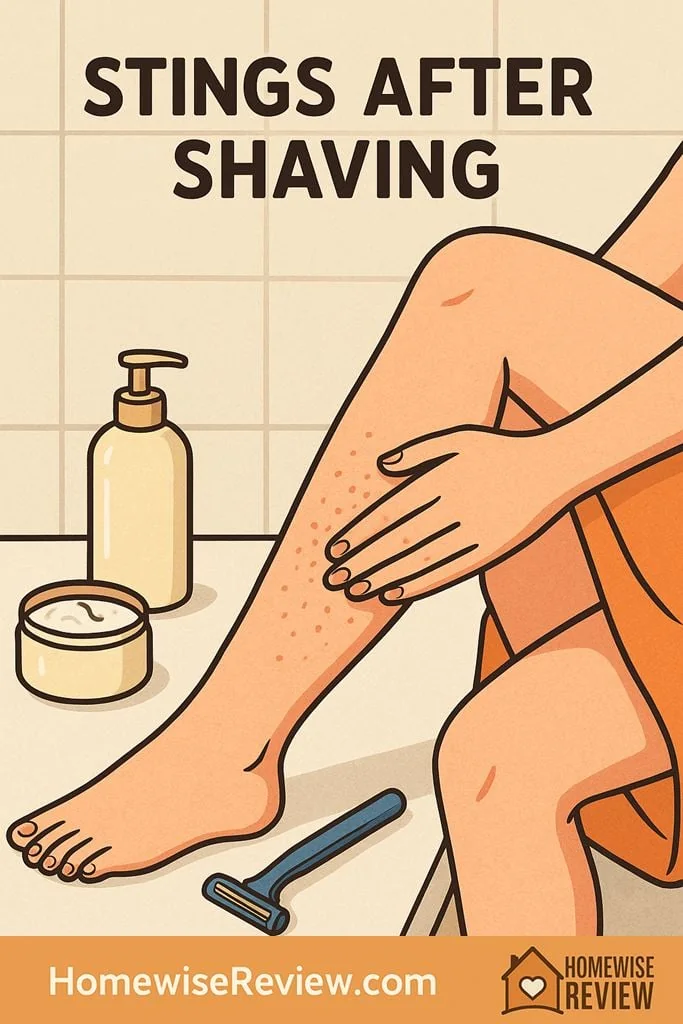
If your legs or arms feel raw after shaving, acid-heavy KP lotions and body peels are easy products to misbuy. A little tingling can be normal, but hot, lingering stinging is a common reason sensitive body skin gives up on them fast.
The complaint is usually pretty specific: a KP lotion or body peel sounds helpful for rough bumps, then suddenly burns on freshly shaved legs, underarms, or anywhere skin already feels a little exposed. If that sounds familiar, you are not necessarily using a “bad” product. You are more likely dealing with a bad match between an acid formula and skin that is freshly shaved, sensitive, dry, or already a bit irritated.
The shoppers most at risk are the ones trying to solve two things at once: keratosis pilaris texture and post-shave smoothness. Those goals do not always cooperate. The very ingredients that help loosen rough buildup can also feel too intense when your barrier is not in the mood.
Why this complaint happens
Most KP lotions and body peels work because they exfoliate. That usually means acids. AHAs like lactic acid and glycolic acid help dissolve the bonds holding onto dead surface skin, which can make rough arms and bumpy thighs feel smoother over time. BHAs like salicylic acid work a little differently and are often used for clogged pores and ingrown-prone skin. Useful ingredients, yes. Automatically comfortable after shaving, not always.
Shaving matters because it is not a neutral event for skin. Even a careful shave can leave behind tiny micro-cuts, a temporarily thinner-feeling surface, and a barrier that is more likely to react. Add hot water, friction from a towel, or a fragranced shave product, and an acid lotion that felt manageable on a random Tuesday can suddenly sting a lot more. That is the pattern many shoppers run into.
There is also a difference between expected sensation and a warning sign. A brief, mild tingle on intact, dry skin can happen with acid products, especially stronger leave-ons. But a sharp, hot sting, skin that looks redder by the minute, or discomfort that hangs around is not something you need to “push through” to prove the product is working. For readers who already know they hate that feeling, the smart move is to avoid formulas that make it likely in the first place.
KP products can be especially confusing because they are often marketed as daily smoothing solutions. Daily use sounds gentle. The actual formula may not be. A label with 10% AHA, 12% lactic acid, or peel language is still active body exfoliation, even if the packaging looks like a simple moisturizer.
What to watch for before buying
The best clue is usually on the front of the bottle. If the product leads with acid strength, peel language, or resurfacing promises, take that seriously. “10% AHA,” “12% lactic acid,” “2% BHA,” “body peel,” “resurfacing,” and “retexturizing” are not meaningless marketing extras. They tell you the product is designed to do more than moisturize.
Then check the ingredient family. Lactic acid is common in KP lotions because it can smooth rough texture and add some humectant benefits, but it is still an acid and can sting on newly shaved skin. Glycolic acid tends to have a reputation for feeling punchier for some people. Salicylic acid may be a better fit for certain clogged-bump concerns, but it can still light up skin with micro-nicks or dryness. The issue is not that one acid is universally bad. It is that your routine timing may make even a decent formula feel miserable.
Usage instructions also tell a story. If the brand suggests starting slowly, using it only a few nights a week, avoiding broken skin, or keeping it away from hair removal, that is useful information, not fine print to ignore. A lot of negative fit experiences happen because shoppers buy a “smoothing lotion” expecting regular body-cream comfort, then use it right after shaving and get a rude surprise.
Before you buy, run through this quick check:
- Does the product highlight AHA, BHA, lactic acid, glycolic acid, or peel strength? If yes, expect the possibility of sting on sensitive or freshly shaved skin.
- Is the percentage easy to spot? Higher, more visible percentages usually mean the brand wants you to know exfoliation is the point.
- Is your main goal comfort or resurfacing? If you mainly want calm, smooth-feeling skin after hair removal, acid-first formulas may be the wrong starting point.
- Do you shave often? If you shave legs or underarms most days, it can be hard to give stronger acids enough separation from hair-removal time.
- Are you already dry or reactive? Eczema-prone, tight, or itchy body skin usually has less patience for “tingly” leave-ons.
One more practical detail: the product format matters. A cream marketed for dry skin may still contain enough acid to sting. A thin “weightless” treatment can also feel deceptively strong because it spreads fast and soaks in quickly. Do not assume texture equals gentleness.
Products to scrutinize before buying
These are not blanket “bad” products, and this is not a ranking of complaint volume. They are simply the kinds of formulas shoppers should check carefully if they already know acids can feel too intense, especially around shaving days.
| Product | Why to check carefully | What to verify before buying |
|---|---|---|
| First Aid Beauty KP Smoothing Body Lotion with 10% AHA | 10% AHA is a meaningful exfoliating level, not just a casual moisturizer add-on. That can be a lot on recently shaved skin. | Make sure you can keep it separate from shaving days and that your skin usually tolerates leave-on AHA body products. |
| AmLactin Daily Nourish 12% Lactic Acid Lotion | 12% lactic acid is often chosen for rough texture, but it can cross from helpful into stingy if skin is dry, nicked, or sensitized. | Check whether you want active smoothing badly enough to accept slower introduction and possible post-shave timing limits. |
| Paula’s Choice Weightless Body Treatment 2% BHA | BHA can be a smart pick for clogged bumps, but salicylic acid still may sting on micro-cuts and can feel drying for some users. | Verify that your concern is truly bump congestion rather than simple dry, touchy skin that mostly needs cushioning moisture. |
| Nécessaire The Body Peel | Peel positioning usually signals a stronger resurfacing mindset, which is exactly the category many sensitive post-shave shoppers regret. | Read the usage directions closely, including frequency and shaving-day cautions, and decide whether you want an active treatment at all. |
If a product on this list still appeals to you, the safer interpretation is not “never buy it.” It is “do not buy it assuming it will behave like a plain lotion.” For acid-sensitive shoppers, that distinction matters. The wrong expectation is often the whole problem.
A good rule of thumb is this: if your skin feels tender right after shaving, a stinging acid reaction is not proof the formula is effective. It is usually proof the routine timing is off for you. That is especially true if the sensation is hot, uncomfortable, or repeatable every time you use the product post-shave.
Better-fit alternative
La Roche-Posay Lipikar AP+M Triple Repair Moisturizing Cream is the more sensible buy if your priority is body comfort after shaving rather than active resurfacing. It skips exfoliating acids and focuses on barrier-supportive moisture, so it is less likely to create the immediate sting that AHA and BHA body treatments can trigger on sensitive, freshly shaved skin.
That makes it a safer fit for shoppers with reactive legs, dry arms, or rough skin that is easily tipped into irritation by “smoothing” formulas. It is also a better starting point for anyone who is not sure whether their bumps truly need exfoliation or whether the bigger issue is simple dryness and barrier stress.
Who should still skip it? If you strongly prefer ultralight lotions, dislike richer cream textures, or specifically want an acid treatment to work on stubborn KP texture fast, this may feel too basic. The tradeoff is that it does not pretend to resurface the way a peel or lactic-acid lotion might. But if the downside you are trying to avoid is stinging, boring moisture is often the smarter buy than another active you have to tiptoe around.
Final buyer guidance
If shaving-day comfort matters more than chasing quick exfoliation, skip products centered on AHA, BHA, lactic acid, glycolic acid, or peel strength and start with La Roche-Posay Lipikar AP+M Triple Repair Moisturizing Cream instead.
See also
If you are comparing rough-skin body care options, these related guides can help you narrow the routine without repeating the same mistake.
- First Aid Beauty KP Bump Eraser review
- AmLactin daily moisturizing lotion review
- Body care routine for people who hate lotion
- Best body lotion with hyaluronic acid
- See our guide to the best body lotion by skin type
As an Amazon Associate, we earn from qualifying purchases made through links on our site.